
The Appalachian Trail is more than just a hiking route; it is a life-changing adventure that challenges your body, tests your patience, and gives you an unforgettable connection with nature. Stretching across mountains, forests, valleys, and small communities in the eastern United States, the Appalachian Trail is one of the world’s most famous long-distance hiking trails.
One of the first questions almost every beginner asks before planning this journey is: how long is the Appalachian Trail? The answer is about 2,197 miles (3,536 kilometers), but the real challenge isn’t just the distance. Completing this legendary trail requires months of preparation, physical endurance, smart planning, and the ability to adapt to changing weather and trail conditions.
Many people also wonder: how long does it take to walk the Appalachian Trail? While some experienced hikers complete it in a few months, most thru-hikers usually need around five to seven months to finish the entire route. The timeline depends on hiking speed, rest days, weather, injuries, experience level, and personal goals.
The Appalachian Trail is not like a normal vacation where every day follows a fixed schedule. It is more like a moving home where your routine changes with every mountain, every town, and every season. Some days you may hike 20 miles through beautiful forests, while other days you may only cover a few miles because of steep climbs, rain, snow, or difficult terrain.
For someone planning this adventure, understanding the trail’s length, location, difficulty, and time requirements is the first step. Whether you dream of completing a full thru-hike or want to explore a short section, knowing what to expect will help you create a realistic plan.
In this complete guide, we will explain how long the Appalachian Trail is, where it starts and ends, how many months it takes to hike, average daily mileage, costs, difficulty, best hiking seasons, and practical tips for beginners.
Understanding the Appalachian Trail Length
How Long Is the Appalachian Trail?
The official length of the Appalachian Trail is approximately 2,197 miles. The trail runs through the Appalachian Mountains, connecting Springer Mountain in Georgia to Mount Katahdin in Maine.
To understand the scale of this distance, imagine walking across several states for thousands of miles while carrying everything you need on your back. A complete Appalachian Trail journey requires hikers to cross 14 states, including:
| State | Approximate Trail Experience |
|---|---|
| Georgia | Southern starting point with beginner-friendly mountains |
| North Carolina | Famous mountain views and challenging climbs |
| Tennessee | Great Smoky Mountains section |
| Virginia | Longest section of the trail |
| West Virginia | Historic Harpers Ferry area |
| Maryland | Short but scenic section |
| Pennsylvania | Known for rocky terrain |
| New Jersey | Forests and wildlife areas |
| New York | Accessible trail sections near urban areas |
| Connecticut | Gentle mountains and forests |
| Massachusetts | Berkshire Mountain landscapes |
| Vermont | Green Mountain scenery |
| New Hampshire | White Mountains and difficult climbs |
| Maine | Wilderness terrain and Mount Katahdin |
The exact mileage can slightly change over time because the Appalachian Trail is a living trail system. Trail organizations regularly improve routes, repair damaged sections, and sometimes relocate paths to protect the environment or improve safety.
This means you may find slightly different mileage numbers depending on when and where you check. However, for planning purposes, hikers generally use around 2,200 miles as the distance they need to complete.
Why Does Appalachian Trail Mileage Change?
Many beginners are confused when they see different numbers for the Appalachian Trail length. One website might mention 2,190 miles, while another might show nearly 2,200 miles. This difference happens because the trail is constantly maintained and updated.
Unlike a highway or railway line, the Appalachian Trail is a natural footpath that passes through forests, mountains, and protected lands. Trail managers regularly make improvements to protect wildlife, reduce erosion, and create safer hiking conditions.
For example, if heavy rainfall or other environmental problems damage a section of trail, trail crews may create a new route. The new path might be slightly longer or shorter than the previous one.
This constant improvement is actually a positive sign because it shows that organizations are working to preserve the trail for future generations. A shorter route is not always the goal; sometimes a slightly longer route provides a better hiking experience with safer conditions and less environmental impact.
For hikers planning their journey, the most important thing is not memorizing the exact mileage. Instead, focus on understanding that you are preparing for a roughly 2,200-mile adventure through changing landscapes and conditions.
Where Is the Appalachian Trail Located?
The Appalachian Trail runs through the eastern United States and follows the Appalachian Mountain range from southern Georgia to northern Maine.
Many beginners ask, ” Whereis the Appalachian Trail? The trail passes through 14 states and covers a wide variety of environments, including national parks, forests, mountain ranges, and rural communities.
Unlike some famous hiking routes in remote wilderness areas, the Appalachian Trail has a unique feature: it connects natural landscapes with nearby towns. This allows hikers to occasionally leave the trail for food, supplies, rest, and recovery.
The trail passes through several famous areas, including:
- Great Smoky Mountains National Park
- Blue Ridge Mountains
- Shenandoah National Park
- White Mountains of New Hampshire
- 100-Mile Wilderness in Maine
Each region feels completely different. Southern sections often offer warmer weather and lush forests, while northern sections bring colder temperatures, rocky terrain, and more challenging mountain conditions.
This variety is one reason the Appalachian Trail attracts hikers from around the world. Every section creates a different experience, making the journey feel like several adventures combined into one massive expedition.
Where Does the Appalachian Trail Start and End?
Southern Starting Point: Springer Mountain, Georgia
For most northbound hikers, the Appalachian Trail begins at Springer Mountain in Georgia. Located in the Chattahoochee-Oconee National Forest, Springer Mountain is the trail’s official southern terminus.
Many hikers choose this direction because it allows them to gradually build strength before reaching the more difficult northern mountains.
The first few weeks are often considered a learning period. New hikers discover how their bodies handle long-distance walking, how much food they need, how to manage backpack weight, and how to create an efficient daily routine.
Although Georgia isn’t the hardest section, it still introduces hikers to elevation changes, unpredictable weather, and the physical demands of backpacking.
Standing at the Springer Mountain trail marker is an emotional moment for many hikers. After months or years of planning, the dream becomes reality here.
Northern Ending Point: Mount Katahdin, Maine
The Appalachian Trail officially ends at Mount Katahdin in Maine, located inside Baxter State Park.
For northbound hikers, reaching Mount Katahdin means completing thousands of miles of walking, climbing, camping, problem-solving, and personal growth.
However, the final section is not easy. Maine contains some of the most challenging terrain on the entire trail, including steep climbs, rocky paths, and remote wilderness areas.
The famous 100-Mile Wilderness section requires careful planning because hikers have fewer resupply opportunities than in other parts of the trail.
Reaching Mount Katahdin is often described as one of the most emotional moments of the entire journey. After spending months following white trail markers through different states, hikers finally reach the northern endpoint and reflect on everything they experienced along the way.
How Long Does It Take to Hike the Appalachian Trail?
One of the biggest questions for anyone planning this adventure is: How long does it take to hike the Appalachian Trail? While the trail is about 2,197 miles, the time it takes depends on how you approach the journey. Some hikers move quickly and finish in just a few months, while others slow down to enjoy the scenery, explore trail towns, and take extra rest days.
For most people attempting a complete Appalachian Trail thru-hike, the average completion time is around five to seven months. This means a hiker starts at one end of the trail and completes the entire route during one hiking season.
However, no single timeline is perfect. The Appalachian Trail is not a race, and hiking faster does not always mean having a better experience. Many successful hikers focus on a sustainable pace that helps them stay healthy, avoid injuries, and enjoy the incredible landscapes along the way.
A person hiking the Appalachian Trail is not simply walking thousands of miles. They are managing a completely different lifestyle. Every day involves decisions about mileage, food, water, weather, shelter, physical recovery, and mental motivation. This is why the journey often takes much longer than people initially imagine.
Think of it this way: walking 2,200 miles sounds like a distance problem, but completing the Appalachian Trail is actually a consistency problem. The hikers who succeed are usually not the fastest. They are the ones who can continue moving forward day after day.
Average Appalachian Trail Thru-Hike Timeline
The amount of time required depends mainly on hiking speed and personal goals.
| Hiking Style | Average Completion Time | Typical Daily Mileage |
|---|---|---|
| Fast experienced hikers | 3–4 months | 20–30+ miles per day |
| Average thru-hikers | 5–7 months | 12–20 miles per day |
| Relaxed hikers | 7+ months | 8–15 miles per day |
Most beginners should expect closer to the average range rather than the fastest completion times.
Experienced backpackers may already understand how to manage long hiking days, carry lighter equipment, and maintain consistent routines. Beginners usually need more time because they are learning everything at once, from backpack organization to campsite selection and physical endurance.
A realistic plan is often better than an ambitious one. Starting too aggressively can lead to exhaustion, injuries, or burnout during the first few weeks.
How Many Miles Do Appalachian Trail Hikers Walk Per Day?
Daily mileage on the Appalachian Trail varies significantly depending on terrain, weather, fitness level, and experience.
Beginners may start with around 8–12 miles per day while their bodies adjust to carrying a backpack and walking long distances. After several weeks, many hikers naturally increase their pace as their muscles become stronger and their trail routine improves.
Experienced thru-hikers often average 15–20 miles per day, while some highly trained hikers complete much longer distances.
However, mileage on the Appalachian Trail is not consistent. A flat section through easier terrain may allow a hiker to cover 20 miles comfortably, while a difficult mountain section may reduce progress to only a few miles.
For example:
- A long downhill section may feel easy and allow faster movement.
- A steep mountain climb may require several hours for only a few miles.
- Rocky areas in Pennsylvania or New Hampshire can slow hikers significantly.
- Rain, snow, or extreme heat can reduce daily progress.
This is why experienced hikers focus less on a fixed daily number and more on maintaining a sustainable rhythm.
What Are Zero Days, Nearo Days, and Why Do They Matter?
When planning how long it takes to walk the Appalachian Trail, beginners often forget to include rest days.
Long-distance hikers use several terms to describe their schedules:
| Term | Meaning |
|---|---|
| Zero Day | A day with zero hiking miles |
| Nearo Day | A day with very few hiking miles |
| Nero Day | Almost no hiking, usually entering or leaving town |
Rest days are important because hiking thousands of miles creates continuous stress on the body. Feet, knees, shoulders, and muscles need time to recover.
Many hikers take zero days in trail towns where they can:
- Rest and recover
- Buy food supplies
- Repair equipment
- Wash clothes
- Enjoy local attractions
A six-month hike might include dozens of rest days, which is why simple mileage calculations often underestimate the real timeline.
Factors That Affect Appalachian Trail Hiking Time
1. Hiking Experience
Experience is one of the biggest factors influencing completion speed.
A person who has completed previous backpacking trips usually understands:
- How to manage energy
- How much food to carry
- How to pack efficiently
- How to handle difficult weather
- How to prevent common injuries
First-time hikers can absolutely complete the Appalachian Trail, but they often require more adjustment time.
Many beginners discover that the mental side of hiking matters as much as physical fitness. Walking every day for months requires patience and discipline.
The ability to continue during difficult moments bad weather, exhaustion, loneliness, or unexpected problems often separates successful hikers from those who leave the trail early.
2. Weather Conditions
Weather can dramatically affect hiking speed on the Appalachian Trail.
The trail crosses different climate zones, meaning hikers experience:
- Spring storms in the south
- Summer heat and humidity
- Heavy rain periods
- Cold temperatures in northern regions
- Possible snow conditions
A hiker who begins too early may face winter-like conditions in the southern mountains. A hiker finishing too late may encounter dangerous cold weather in Maine.
Weather planning is one reason many northbound hikers start between February and April. This allows them to reach northern sections before severe winter conditions return.
3. Injuries and Physical Recovery
One of the biggest mistakes beginners make is hiking too aggressively at the beginning.
During the first few weeks, many hikers feel excited and try to cover too many miles. However, the body needs time to adjust.
Common Appalachian Trail injuries include:
- Blisters
- Knee pain
- Foot problems
- Muscle strain
- Overuse injuries
A slower beginning often leads to a stronger finish. Building endurance gradually allows hikers to increase mileage without damaging their bodies.
4. Backpack Weight
Backpack weight directly affects hiking speed.
A heavier backpack means:
- More energy used
- Slower climbs
- Greater stress on joints
- Increased fatigue
Many experienced hikers follow the ultralight backpacking philosophy, reducing unnecessary equipment while keeping essential safety items.
However, lightweight does not mean carrying less preparation. The goal is finding the right balance between comfort, safety, and efficiency.
Best Time to Hike the Appalachian Trail
Choosing the right season is one of the most important decisions for anyone planning a thru-hike.
You can technically hike the Appalachian Trail year-round, but most thru-hikers choose specific seasons to avoid extreme weather.
Northbound vs Southbound Appalachian Trail Hiking
Northbound (NOBO) Hiking
Northbound means starting from Georgia and traveling toward Maine.
This is the most popular direction.
Advantages:
- More hikers begin at the same time
- Easier to find trail communities
- Gradual physical adjustment
- More available information from previous hikers
Challenges:
- Crowded starting season
- Need to reach Maine before winter
- Northern mountains become more difficult later
Southbound (SOBO) Hiking
Southbound means starting at Mount Katahdin in Maine and traveling toward Georgia.
Advantages:
- Begins with challenging terrain
- Less crowded
- Finishes in warmer southern areas
Challenges:
- Requires reaching Maine during the limited summer access period
- Difficult beginning
- Less support from other hikers
Both approaches can create an amazing Appalachian Trail experience. The best choice depends on personal preferences, schedule, preparation, and hiking style.
How Difficult Is the Appalachian Trail?
The Appalachian Trail is challenging, but the difficulty comes from more than just distance.
You don’t need to be a professional athlete to complete the trail. Many ordinary people from different backgrounds have successfully completed thru-hikes.
However, preparation is essential.
The main challenges include:
- Long-distance walking
- Elevation changes
- Weather conditions
- Backpack weight
- Limited comforts
- Mental fatigue
The trail includes approximately 464,000 feet of elevation gain and loss, meaning hikers repeatedly climb and descend mountains throughout the journey.
Unlike a single mountain climb, the Appalachian Trail requires thousands of small efforts repeated over months.
How Much Does It Cost to Hike the Appalachian Trail?
Besides understanding how long the Appalachian Trail is, another important question for future hikers is: how much money do you need to hike it?
The cost of completing the Appalachian Trail varies widely depending on your hiking style, equipment choices, transportation needs, and how often you stay in towns. Some budget-conscious hikers complete the trail with careful planning, while others spend significantly more by staying in hotels, eating frequently at restaurants, or purchasing premium gear.
On average, many hikers spend approximately $4,000 to $8,000 for a complete Appalachian Trail thru-hike, excluding major gear purchases made before starting. However, costs can be lower or higher depending on personal choices.
The Appalachian Trail is unique because it allows hikers to combine wilderness camping with access to nearby towns. Unlike some remote expeditions where you must carry months of supplies, Appalachian Trail hikers regularly resupply food and equipment along the way.
A realistic budget usually includes:
| Expense Category | Estimated Cost |
|---|---|
| Backpacking gear | $1,000–$3,000+ |
| Food and snacks | $1,500–$2,500 |
| Town stays and accommodation | $500–$1,500 |
| Transportation | $200–$800 |
| Permits and miscellaneous costs | $100–$500 |
The biggest mistake beginners make is focusing only on equipment costs. While a good backpack, sleeping system, and footwear matter, daily expenses during the journey often make up the largest part of the budget.
A successful Appalachian Trail plan requires thinking beyond buying gear. You need to plan for food resupply, emergencies, transportation, and unexpected delays.
Appalachian Trail Gear Checklist for Beginners
Having the right equipment can make the difference between an enjoyable adventure and a difficult experience.
The goal is not to carry everything you own. Every extra pound becomes heavier after walking thousands of miles.
Experienced hikers often follow the principle:
“Every ounce matters.”
Essential Appalachian Trail gear usually includes:
| Gear Category | Examples |
|---|---|
| Backpack | Lightweight hiking backpack |
| Shelter | Tent, hammock, or tarp |
| Sleeping System | Sleeping bag and sleeping pad |
| Clothing | Weather-appropriate layers |
| Footwear | Comfortable hiking shoes or boots |
| Cooking Equipment | Stove, fuel, lightweight cookware |
| Navigation | Map, GPS device, phone apps |
| Safety Equipment | First aid kit, emergency supplies |
| Water System | Filter and water containers |
Choosing equipment requires balancing comfort, weight, and durability.
A beginner may feel tempted to pack extra clothing, food, and emergency items. While preparation is important, carrying unnecessary weight can make daily hiking much harder.
Many experienced Appalachian Trail hikers recommend testing all equipment before starting the journey. A backpack that feels comfortable for a short weekend trip may feel completely different after several weeks of continuous use.
Food and Resupply on the Appalachian Trail
Food planning is one of the most important parts of completing a long-distance hike.
Unlike a normal trip where you can visit restaurants anytime, Appalachian Trail hikers must carefully manage calories, weight, and resupply locations.
Most hikers resupply food every few days by visiting:
- Small trail towns
- Grocery stores
- Outdoor stores
- Post offices
A typical hiker needs a large amount of energy because walking 10–20 miles daily while carrying a backpack burns thousands of calories.
Popular backpacking foods include:
- Oatmeal
- Energy bars
- Nuts
- Dried fruit
- Pasta
- Instant meals
- Peanut butter
- Trail snacks
Many hikers eventually develop their own food strategy based on what their body handles best.
The key is finding food that provides enough energy without adding unnecessary backpack weight.
Appalachian Trail Safety Tips for Beginners
Although the Appalachian Trail is considered one of the safest long-distance hiking routes, preparation and awareness are still essential.
Understand Weather Changes
Mountain weather can change quickly. A sunny morning can become cold, rainy, or dangerous within hours.
Always prepare for changing conditions, and don’t underestimate mountain environments.
Take Care of Your Feet
Feet are a hiker’s most valuable asset.
Blisters and foot injuries are among the most common reasons hikers struggle. Good footwear, proper socks, and early attention to discomfort can prevent serious problems.
Respect Wildlife
The Appalachian Trail passes through areas with wildlife including:
- Black bears
- Snakes
- Small mammals
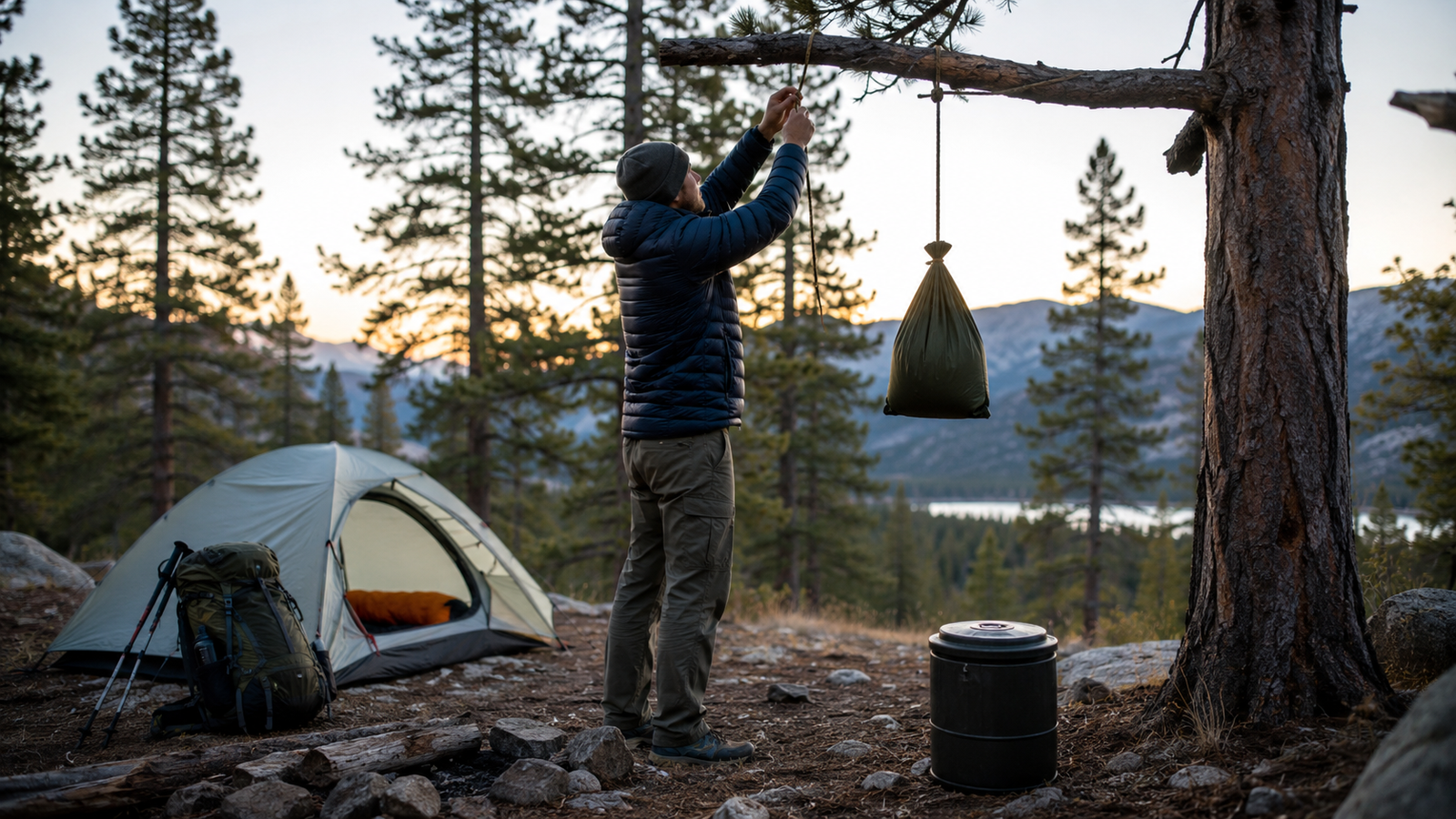
Hikers should follow proper food storage practices and respect animals’ space.
Stay Connected
While the trail offers a wilderness experience, technology can improve safety.
Many hikers use:
- GPS apps
- Emergency communication devices
- Weather apps
- Digital maps
However, technology should support preparation, not replace basic outdoor skills.
Appalachian Trail Section Hiking vs Thru-Hiking
Not everyone has five or six months available to hike the entire Appalachian Trail.
That is why many people choose section hiking.
Section hiking means completing smaller portions of the trail over multiple trips.
For example, someone might hike:
- Georgia section one year
- Virginia section another year
- Maine section later
This approach allows people with jobs, families, or limited vacation time to experience the Appalachian Trail without committing to a full thru-hike.
Thru-Hiking vs Section Hiking Comparison
| Feature | Thru-Hiking | Section Hiking |
|---|---|---|
| Time Required | 5–7 months | Flexible |
| Commitment Level | Very high | Moderate |
| Cost | Higher upfront | Spread over time |
| Experience | Complete journey | Individual sections |
| Planning | Extensive | Easier |
Both options provide meaningful experiences. Completing the entire trail is a major achievement, but hiking smaller sections can also create unforgettable memories.
Planning Your Appalachian Trail Adventure
A successful Appalachian Trail journey begins long before you reach the trailhead.
Good preparation includes:
Research the Trail
Learn about:
- Route sections
- Weather patterns
- Resupply points
- Difficult areas
- Shelter locations
Train Your Body
Start preparing months before your hike.
Useful training includes:
- Long-distance walking
- Hiking with a loaded backpack
- Strength training
- Cardio exercises
Test Your Equipment
Before beginning a long journey, test your gear during shorter trips.
This helps identify problems with:
- Backpack comfort
- Shoes
- Sleeping system
- Cooking equipment
Create a Flexible Plan
The Appalachian Trail teaches hikers an important lesson: plans need flexibility.
Weather delays, injuries, trail closures, and personal needs can change your schedule.
A flexible mindset helps you enjoy the journey instead of constantly worrying about staying on a strict timeline.
Conclusion: How Long Is the Appalachian Trail and How Long Does It Take to Hike?
The Appalachian Trail is approximately 2,197 miles long, stretching from Springer Mountain in Georgia to Mount Katahdin in Maine. For most hikers, completing this legendary trail takes around five to seven months, although the exact timeline depends on hiking speed, experience, weather conditions, rest days, and personal goals.
Understanding how long the Appalachian Trail is is only the beginning. The real challenge is preparing for the lifestyle that comes with long-distance hiking. Every mile requires physical effort, mental strength, and smart decision-making.
Whether you plan to complete a full thru-hike or explore only a small section, the Appalachian Trail offers something unique. It offers breathtaking landscapes, personal challenges, meaningful connections with other hikers, and a chance to experience nature in a completely different way.
The most successful hikers are not always the fastest ones. They are the people who prepare carefully, adapt to challenges, and continue moving forward one step at a time.
The Appalachian Trail isn’t measured simply in miles. It is measured in experiences, memories, and the personal growth that happens along the way.
Frequently Asked Questions About the Appalachian Trail
1. How long is the Appalachian Trail exactly?
The Appalachian Trail is approximately 2,197 miles long. The official mileage can slightly change over time because trail organizations update routes, improve sections, and make environmental adjustments.
2. How long does it take to walk the Appalachian Trail?
Most hikers need around five to seven months to complete the entire Appalachian Trail. Faster hikers may finish sooner, while relaxed hikers may take longer depending on their pace and number of rest days.
3. Where does the Appalachian Trail start?
The Appalachian Trail starts at Springer Mountain in Georgia for northbound hikers. The southern terminus is located in the Chattahoochee-Oconee National Forest.
4. Where does the Appalachian Trail end?
The northern end of the Appalachian Trail is Mount Katahdin in Maine, located inside Baxter State Park.
5. Can beginners hike the Appalachian Trail?
Yes, beginners can hike the Appalachian Trail with proper preparation. Many first-time backpackers successfully complete sections or full thru-hikes by training beforehand, choosing suitable equipment, and maintaining realistic expectations.