The best time to visit Sequoia National Park depends on what you want from the trip. For the best all-round mix of open roads, comfortable hiking weather, and manageable crowds, plan for late May through June or September through early October. For snow among the giant trees, go December through March. For the fewest people, choose a winter weekday or a September weekday.
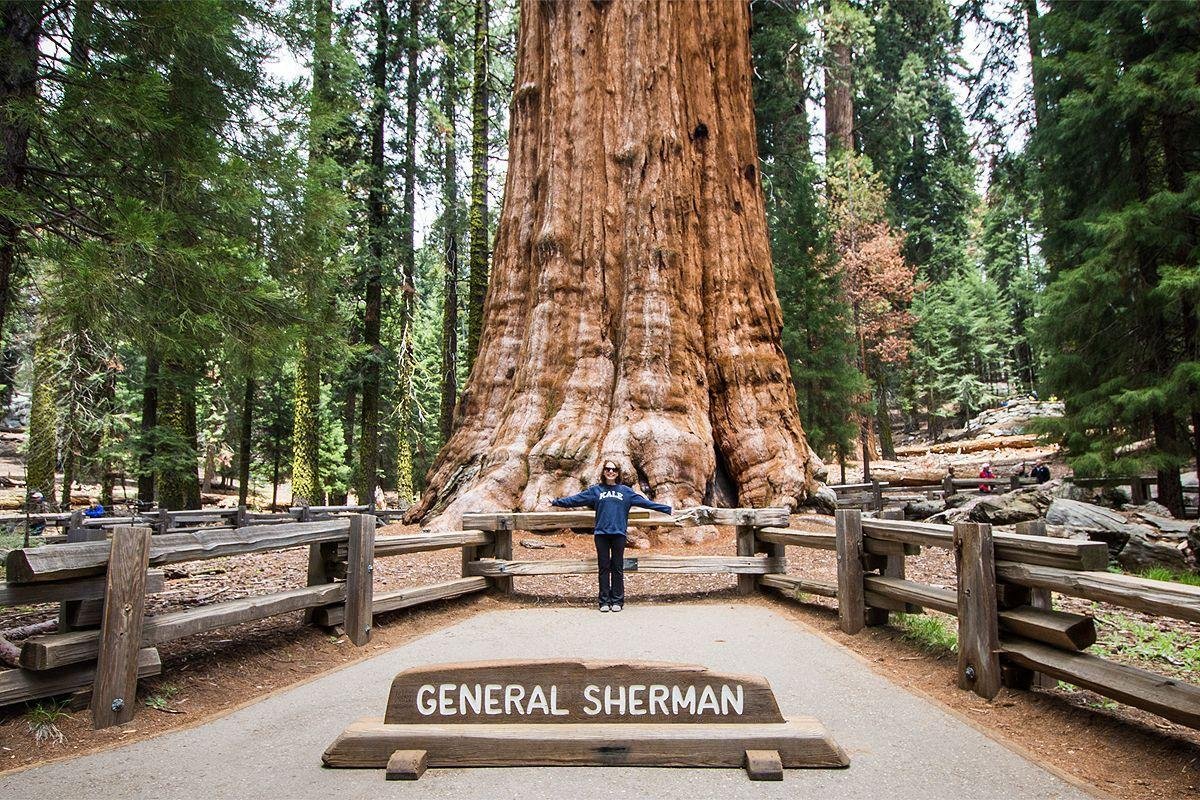
Sequoia is home to the largest trees on Earth by volume, and its elevation swings from the warm Sierra foothills to alpine peaks. That range means the park offers four very different seasons in a single place. It also means a trip planned for the wrong month can leave you facing closed roads, a chain-control checkpoint, or a packed parking lot at the General Sherman Tree.
This guide breaks down each season, the best months for trails, snow, and quiet, and the practical 2026 details to check before you drive up.
Quick Answer: Best Time to Visit Sequoia National Park
| Your goal | Best time to go | Why |
|---|---|---|
| Best overall | Late May–June, September–early October | Roads open, trails mostly clear, fewer people than peak summer |
| Snow in the sequoia groves | December–March | Snow-covered giant trees and snowshoe trails |
| Fewest crowds | Weekdays, November–April, or September | Quiet groves and short lines at entrance stations |
| Hiking the big-tree trails | May–October | Most roads and trailheads are accessible |
| Foothills hiking and wildflowers | March–May | Cooler temperatures and spring color at lower elevations |
| High-country lakes and backpacking | July–September | Snow has melted from higher routes |
| Warm-weather family trip | June–August | Longest days and easiest access, but the most visitors |
Understanding Sequoia’s Elevation Before You Choose a Month
Sequoia and Kings Canyon National Parks are managed together as one unit, and the combined parks rise from about 1,300 feet near the foothills to 14,494 feet, the highest elevation in the lower 48 states.
This matters for planning. The park entrance at the foothills can feel hot and dry in summer, while the Giant Forest, at roughly 6,400 feet, stays cooler and can hold snow for months. Always check conditions for the specific area you plan to visit, not just the park as a whole.
Winter (December–March): Best for Snow and Solitude
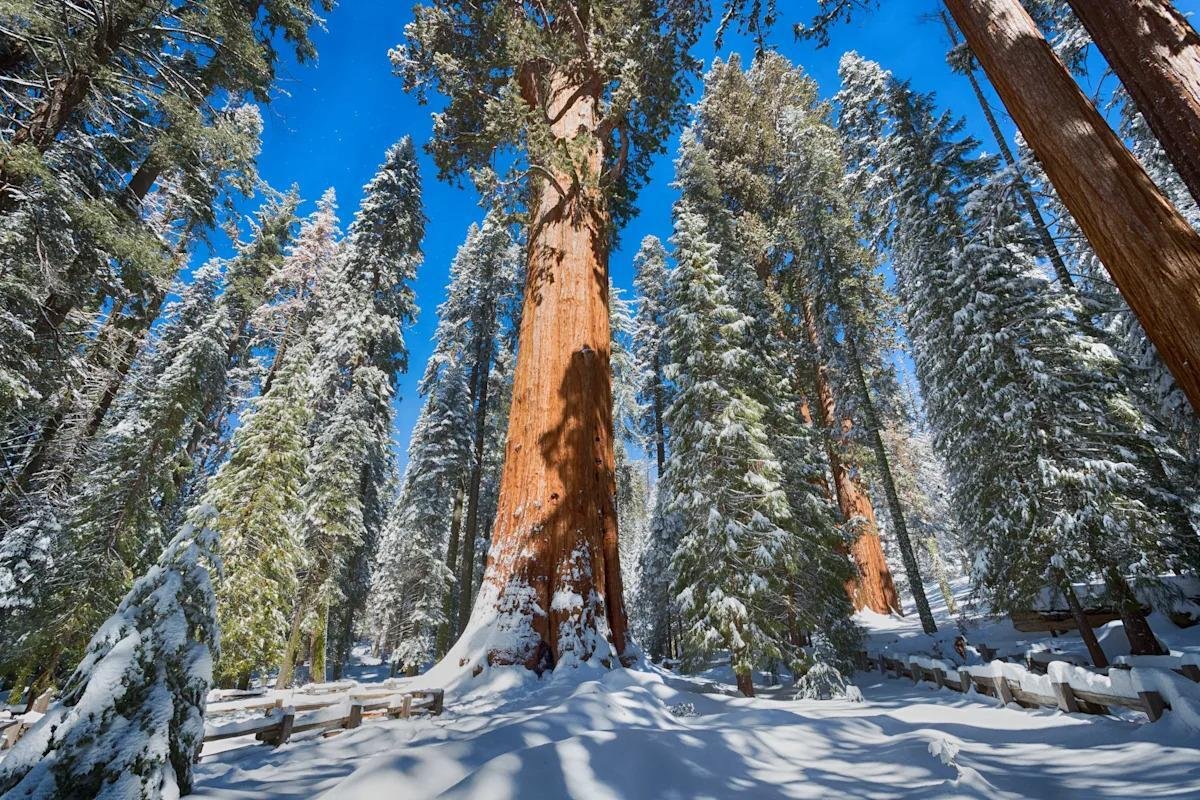
Winter turns the Giant Forest into a quiet, snow-covered landscape where cinnamon-red trunks stand against white ground. For many visitors, it is the most memorable time to see the sequoias, and it is the least crowded period of the year.
What to expect
- Cold days, freezing nights, and snow in the groves, with rain more common in the foothills.
- Heavy snowfall can build a deep snowpack by late winter.
- Fewer visitors, especially on weekdays.
Things to do in winter
- Walk to the General Sherman Tree and the Congress Trail when roads and parking are open.
- Try snowshoeing near Wolverton or Grant Grove. Ranger-led snowshoe walks are often offered on winter weekends, so check the NPS calendar.
- Visit the Wolverton snow-play area for sledding and family snow days.
- In Grant Grove, see the General Grant Tree, known as the Nation’s Christmas Tree.
Winter driving and closures you must plan for
- Tire chains are often required, and NPS advises carrying them even if you drive a four-wheel-drive or all-wheel-drive vehicle.
- The Generals Highway between the two parks is usually closed from early January until mid-March.
- The Moro Rock/Crescent Meadow Road closes when snow accumulates.
- Highway 180 to Cedar Grove, Mineral King Road, and Crystal Cave Road are also closed seasonally.
- There is no gas or EV charging inside the parks, so fill up before you enter.
Our take: Winter is the best time to visit if you want snow and silence and are comfortable with mountain driving. It is not the best choice for a first trip if you want to see everything.
Spring (April–May): Waterfalls, Wildflowers, and Changing Conditions
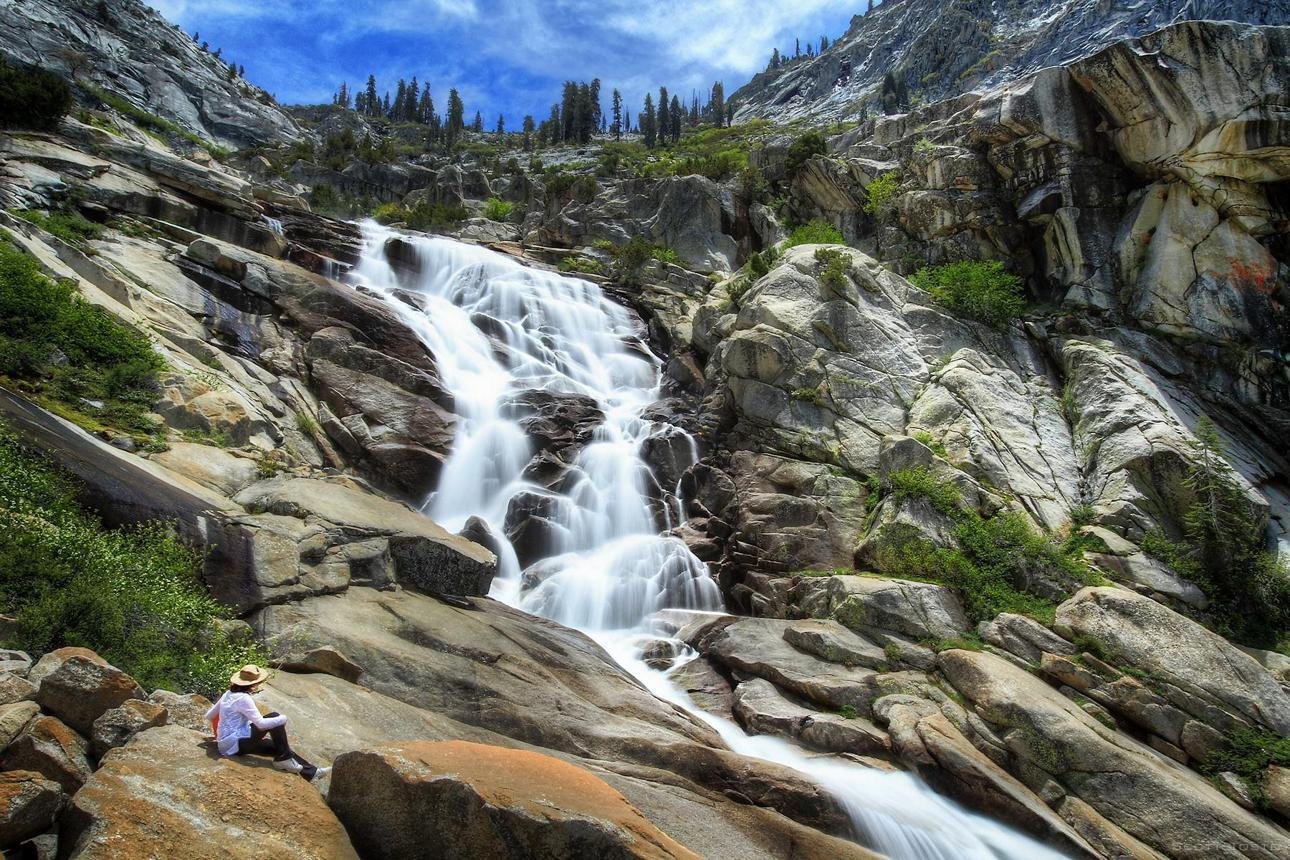
Spring in Sequoia is a season of transition. Lower elevations warm up and bloom while the groves above are still thawing.
What to expect
- Foothills hiking is at its best from March to May, with cooler temperatures and spring color.
- Snowmelt boosts waterfalls and creeks, making trails like the one to Tokopah Falls (about 4 miles round trip) especially scenic in late spring and early summer.
- Highway 180 to Cedar Grove generally opens in late April, weather permitting.
- Some high-elevation roads and trails can remain closed or snowy into May and beyond, and Moro Rock/Crescent Meadow Road often reopens only after the snow has melted from the roadway.
Our take: Spring is a great pick for foothills hikes and waterfalls, with lighter crowds than summer. Keep your plans flexible, because conditions in the Giant Forest can change quickly.
Summer (June–August): Everything Is Open, Everyone Is Here
Summer is the easiest season for access. Roads, trailheads, visitor centers, and the high country are open or opening, and the longest days give you time to see more.
What to expect
- Warm to hot weather in the foothills, often above 95°F, and mild, comfortable temperatures in the Giant Forest.
- Wildflowers in mountain meadows, including Crescent Meadow, in early summer.
- Mineral King and its campgrounds typically open in late June.
- Peak crowds and full parking lots, especially on weekends and holidays. Sequoia and Kings Canyon recorded more than 2 million visits in 2024, and summer carries much of that traffic.
- Wildfire smoke is possible in late summer, so check air quality before you go.
How to make summer work
- Arrive at the General Sherman Tree and Moro Rock early, ideally before 9 a.m.
- Use the park shuttle where it operates to avoid parking stress. Confirm seasonal dates on the NPS website.
- Plan the winding drive from the Ash Mountain Entrance to the Giant Forest, which typically takes about an hour.
Our take: Summer is the best time for families, first-timers, and anyone who wants maximum access, as long as you start early and accept the crowds.
Fall (September–October): The Sweet Spot for Many Visitors
If we had to pick one season for most travelers, it would be early fall. Summer crowds thin out, daytime temperatures are pleasant, and most roads and trails remain accessible.
What to expect
- Crisp mornings and comfortable afternoons in the groves.
- Lighter traffic after Labor Day, especially on weekdays.
- Stable weather for hiking and photography, with golden light filtering through the trees.
- Early storms are possible by late October, so pack layers and check forecasts.
- Highway 180 to Cedar Grove typically closes for the winter in late October.
Our take: September to early October is the best balance of weather, access, and space. If you can travel midweek, the groves will be closer.
Best Time to Visit Sequoia for Trails
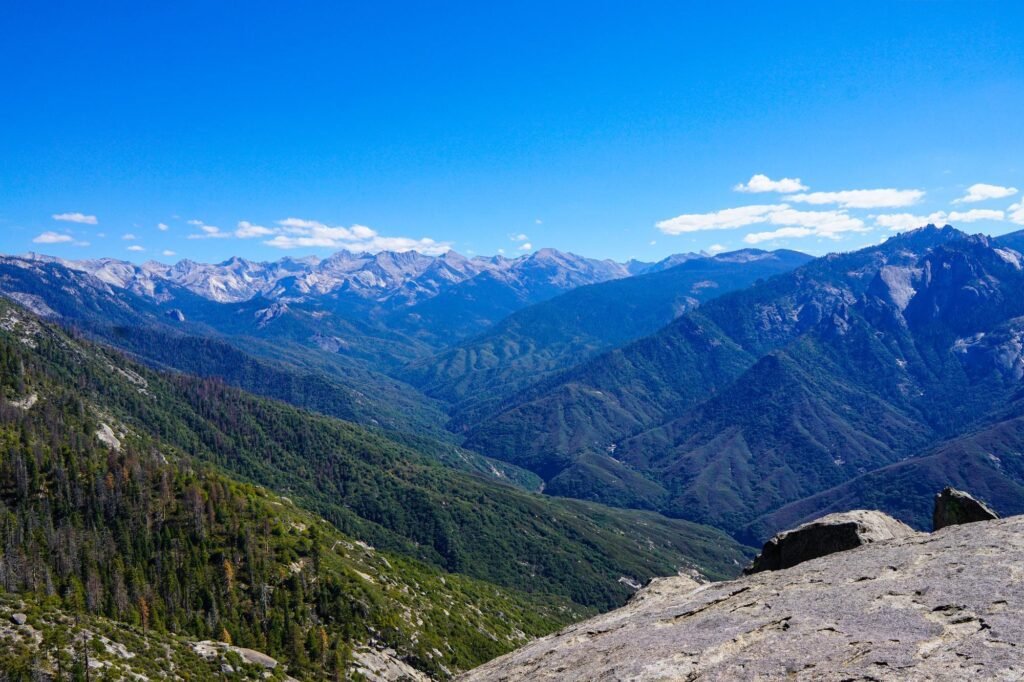
If hiking is your priority, May through October gives you the widest choice. Here are some of the park’s best-known walks and when they shine:
- General Sherman Tree Trail (under 1 mile): Easy, paved, and open most of the year when roads allow. Go early to avoid crowds.
- Congress Trail (about 2 miles): A gentle loop through the Giant Forest beyond the Sherman Tree. Beautiful in snow and in summer.
- Big Trees Trail (about 1.3 miles): A flat loop near the Giant Forest Museum, great for families and strollers.
- Moro Rock (350 steps): A short but steep granite stair climb with sweeping views. Best on a clear day from late spring to fall, and not accessible by road when Crescent Meadow Road is closed for snow.
- Crescent Meadow Loop (roughly 2 miles): Lovely in early summer when the meadow is lush and wildflowers appear.
- Tokopah Falls (about 4 miles round trip): Peak flow comes in late spring and early summer.
- Lakes Trail to Heather and Pear Lakes (roughly 9 to 12 miles round trip): A strenuous day hike or overnight route, best from midsummer through early fall once the snow has melted.
For day hikers who want the high-country feel without the long mileage, July through September is ideal. For a cooler, quieter foothills experience, aim for March through May.
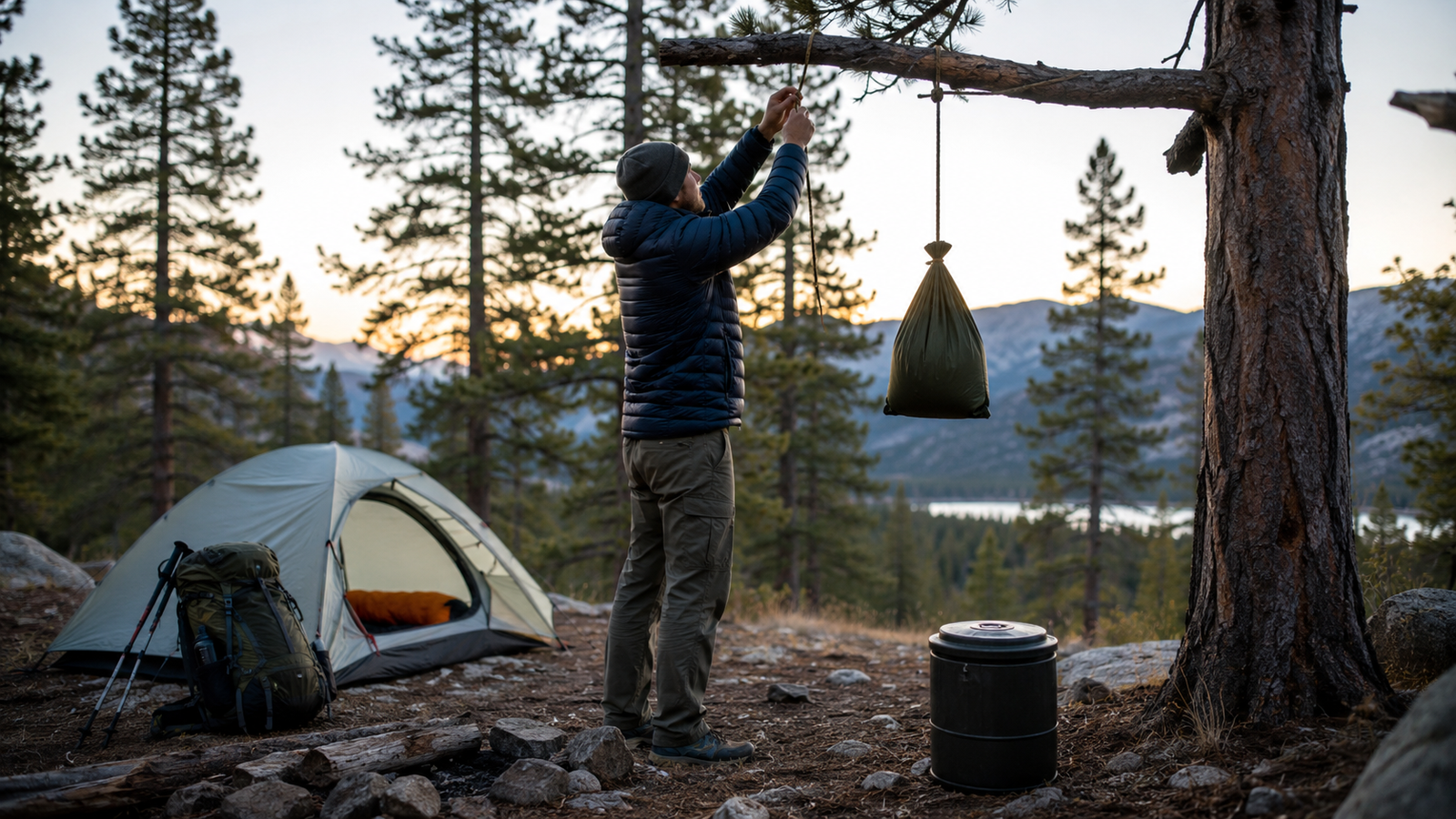
Heading out on longer routes? Read our guides on how to use a bear bag and the best hiking pants for comfort and trail performance before you pack.
Best Time to Visit Sequoia for Snow
The most reliable window for snow in the groves is December through March, with the deepest cover often building in January and February. Snow can arrive earlier or linger later at higher elevations.
For the best snow experience:
- Go midweek to avoid sledding crowds at Wolverton.
- Arrive early, since road closures and chain controls can delay entry after storms.
- Wear waterproof boots, warm layers, and sunglasses, because snow glare is strong even on cold days.
- Check the NPS road conditions page the morning you leave.
If you want to see the sequoias dusted with snow and also reach Moro Rock and Crescent Meadow, be aware that those roads often close when snow accumulates. A winter trip is about the Giant Forest walks, snowshoeing, and quiet, not a full drive-through of every viewpoint.
Best Time to Visit Sequoia for Fewer Crowds
The quietest times are winter weekdays (outside holiday weeks) and early fall, especially after Labor Day. Here is how to beat the crowds in any season:
- Travel on weekdays. Holiday weekends bring long lines at entrance stations.
- Start early. Reaching the big-tree trails by 8 or 9 a.m. completely changes the experience.
- Visit the lesser-known groves. Kings Canyon’s Grant Grove and Redwood Canyon, and trails such as Muir Grove, offer big trees with fewer people.
- Stay near the park. Overnighting in or close to the park saves the long morning drive and lets you beat the day-trippers.
- Avoid mid-summer weekends. July and August Saturdays are the busiest days of the year.
What to Know Before You Go in 2026
Entrance fees and passes
- One entrance fee covers both Sequoia and Kings Canyon and is valid for several days.
- A park-specific annual pass costs $70, and the America the Beautiful annual pass for U.S. residents costs $80.
- Since January 1, 2026, non-U.S. residents aged 16 and older pay an additional $100 per person at Sequoia and Kings Canyon, unless they hold the Nonresident Annual Pass. Fees and rules can change, so confirm on the NPS website before you travel.
- U.S. residents can use 2026 fee-free days. Check the NPS site for dates.
Roads and driving
- The Generals Highway is narrow and winding, and vehicle length limits apply in parts. Large RVs and trailers should check current restrictions first.
- Carry tire chains from fall through spring, even if you have four-wheel or all-wheel drive.
- There is no gas or EV charging inside the parks.
Camping and lodging
- Several campgrounds are closed for repairs in 2026, so verify which are open before planning a camping trip.
- Lodging inside the park is limited and books early. Gateway towns such as Three Rivers and Visalia offer hotels, restaurants, and easy access to the Ash Mountain Entrance.
- Planning a vehicle-based trip? Our car camping gear checklist covers the essentials.
Wildlife and safety
- Black bears live here. Store food, trash, and scented items properly in bear boxes, as required by the park.
- Giant sequoias are protected, so stay on trails and never climb or damage the trees or their roots.
- Altitude can cause headaches and fatigue in the Giant Forest, so drink water and pace yourself.
How Many Days Do You Need?
- 1 day: Focus on the Giant Forest: General Sherman Tree, Congress Trail, Moro Rock (if open), and Crescent Meadow.
- 2–3 days: Add Tokopah Falls, Grant Grove in Kings Canyon, and a foothills walk.
- 4+ days: Add a longer backcountry hike, Mineral King in summer, or a full Kings Canyon loop.
Sequoia is often paired with Kings Canyon and Yosemite. If you are planning a larger trip, see our guide to the 15 best national parks in the USA for first-time visitors to compare destinations.
Book Smart: Hotels and Guided Tours
Because lodging near the park is limited and rooms fill early in peak months, book as soon as your dates are firm. If you prefer someone else to handle the driving, naturalist-led tours and guided snowshoe or hiking outings can make the most of limited time, especially in winter when road conditions are unpredictable.
Frequently Asked Questions
What is the best month to visit Sequoia National Park?
June and September are the best all-round months. Roads and trails are generally open, the weather is comfortable in the groves, and crowds are more manageable than in July and August.
When is the least crowded time to visit Sequoia National Park?
Weekdays from November through April (outside holidays) and weekdays in September and early October are the quietest times.
Does it snow in Sequoia National Park?
Yes. Snow is common in the sequoia groves from late fall through early spring, and it can be deep in winter. Rain is more typical in the foothills. Tire chains are often required, so carry them from fall through spring.
Is Sequoia National Park worth visiting in winter?
Yes, if you are comfortable with winter driving. You can see snow-covered giant trees, try snowshoeing, and enjoy far fewer visitors. Some roads, including Moro Rock/Crescent Meadow Road and the Generals Highway between the parks, may be closed.
When does Moro Rock open?
Moro Rock/Crescent Meadow Road closes when snow accumulates and generally reopens after the snow melts, often in late spring. Check the NPS road conditions page for the current status.
How many days do you need in Sequoia National Park?
One full day covers the main Giant Forest sights. Two to three days let you add waterfalls, Grant Grove, and longer trails.
Can you see Sequoia and Kings Canyon in the same trip?
Yes. The two parks are managed together and share one entrance fee. In winter, the Generals Highway between them is usually closed from early January until mid-March, so plan to drive around via Highway 180 or check conditions.
Final Verdict: When Should You Go?
- Choose late May–June for open roads, waterfalls, and comfortable weather.
- Choose September–early October for the best balance of weather and fewer crowds.
- Choose December–March for snow, solitude, and a different kind of magic, with chains in the trunk.
- Avoid mid-summer weekends if crowds are your main concern.
Whichever season you pick, check the NPS road conditions page before you leave, start early, and give yourself time to simply stand among the trees. They have been growing for thousands of years, and they are worth slowing down for.