Grand Teton National Park is one of the most breathtaking mountain destinations in the United States. With dramatic peaks, crystal-clear lakes, abundant wildlife, and endless outdoor activities, the park draws travelers year-round.
However, choosing the right season can completely change your experience. The best time to visit Grand Teton National Park depends on what you want to do. Some travelers prefer warm summer days with open trails and family-friendly activities, while others enjoy fall’s quieter atmosphere and golden landscapes.
Spring brings excellent wildlife viewing opportunities as animals become more active after winter. Summer offers the easiest access to hiking trails, scenic drives, camping, and water activities. Fall combines comfortable temperatures, fewer visitors, and beautiful autumn colors. Winter transforms the park into a peaceful snow-covered landscape perfect for photography and winter adventures.
If you are planning your first trip, understanding Grand Teton National Park seasons, weather conditions, crowds, and activities will help you choose the perfect month.
The best time to visit Grand Teton National Park depends on your travel style, but understanding each season can help you choose the perfect month.
Quick Answer: What Is the Best Time to Visit Grand Teton National Park?
The best overall time to visit Grand Teton National Park is September.
September offers the best balance of comfortable weather, active wildlife, beautiful scenery, and smaller crowds compared to the busy summer months. Visitors can enjoy hiking trails, scenic drives, photography locations, and wildlife viewing without the peak-season rush.
Here is a quick breakdown:
| Travel Goal | Best Time to Visit |
|---|---|
| Best overall experience | September |
| Families and first-time visitors | July and August |
| Wildlife viewing | May, June, and September |
| Photography | September and October |
| Fewer crowds | Late September and October |
| Winter scenery | December to March |
| Hiking | July to September |
September is especially popular because visitors can experience early fall colors, cooler hiking conditions, and increased wildlife activity, including elk during the fall rut season.
Grand Teton National Park Weather by Season
The weather in Grand Teton changes dramatically throughout the year. Mountain conditions can shift quickly, so travelers should always prepare for changing temperatures and unexpected weather.
According to the National Park Service, summers usually bring warm days and cool nights, while spring and fall can include rain, snow, and sudden temperature changes. Winters are long, cold, and snowy.
Spring (April to May)
Spring is one of the most rewarding times for travelers who want fewer crowds and better chances of seeing wildlife.
Weather Conditions
Spring weather in Grand Teton can be unpredictable. Days gradually become warmer, but snow often remains at higher elevations. Valley areas may still have muddy trails, and some roads or facilities may have limited access.
Temperatures are generally cool, with cold mornings and occasional rain or snowfall. Many hiking trails remain snow-covered until late spring.
Wildlife Viewing
Spring is considered one of the best seasons for Grand Teton wildlife viewing.
As the snow begins melting, animals become more active:
- Elk return to lower elevations
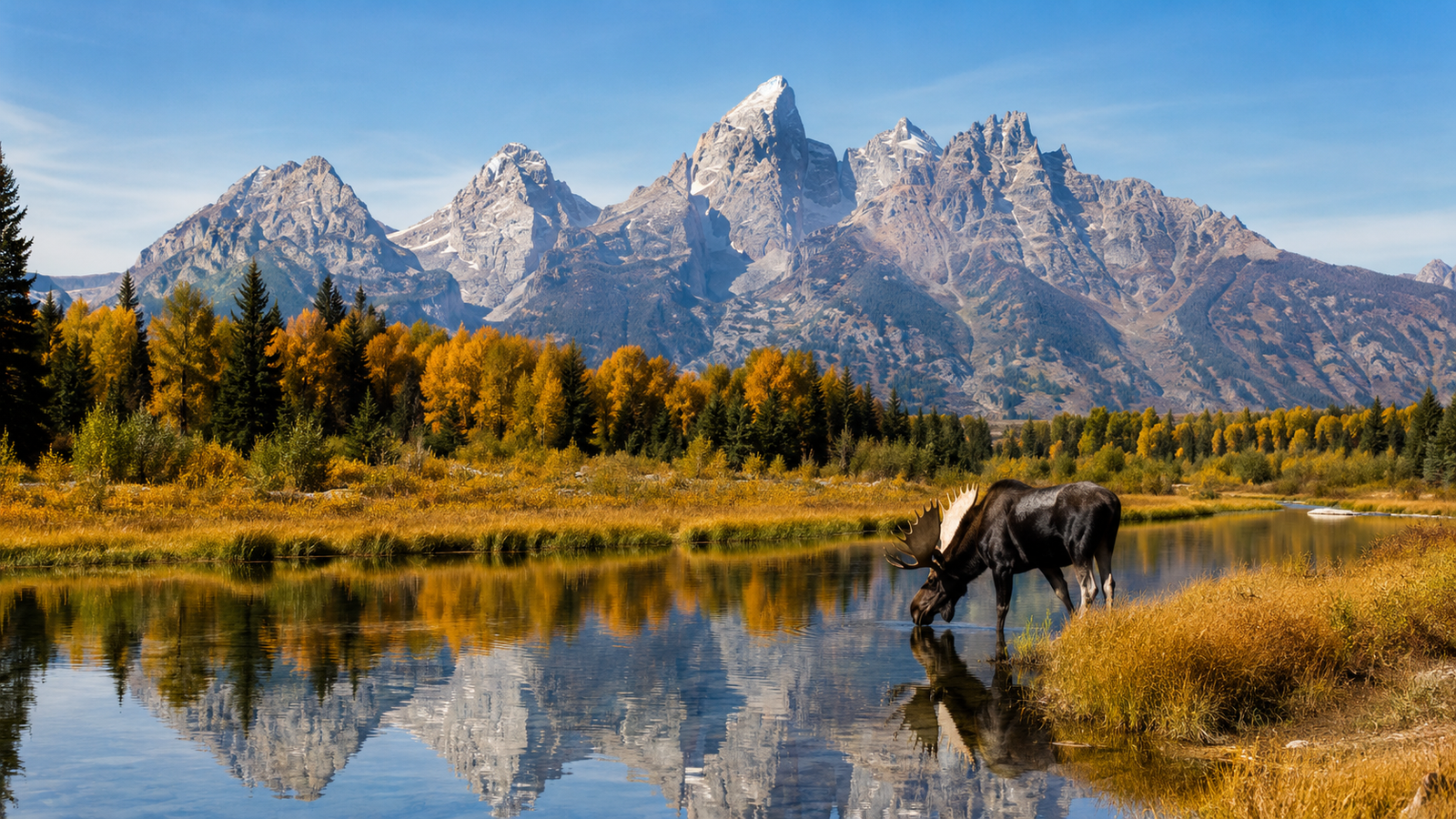
- Moose are easier to spot near waterways
- Bears emerge after winter
- Migratory birds return
Wildlife photographers often prefer spring because animals are active while visitor numbers remain low.
Crowds
One of the biggest advantages of visiting in spring is the peaceful atmosphere.
Benefits include:
- Fewer tourists
- Quiet viewpoints
- Easier wildlife observation
- Lower accommodation demand
However, travelers should check road conditions before visiting because seasonal closures may still affect access.
Best For:
Spring is ideal for:
- Wildlife enthusiasts
- Photographers
- Budget-conscious travelers
- Visitors who prefer quiet experiences
If you enjoy exploring national parks during less crowded periods, check out more outdoor destinations through our national park guides.
Summer (June to August)
Summer is the most popular season in Grand Teton National Park. Warm weather, open roads, and accessible trails make it the easiest time for most visitors.
Weather Conditions
Summer brings:
- Warm daytime temperatures
- Cool evenings
- Longer daylight hours
- Occasional afternoon thunderstorms
July and August usually provide the most reliable conditions for outdoor activities.
Things To Do in Grand Teton National Park During Summer
Summer offers the widest range of activities, including:
- Hiking
- Scenic drives
- Camping
- Photography
- Kayaking and boating
- Wildlife watching
Popular areas such as Jenny Lake get especially busy because visitors use them for hiking and lake activities.
For travelers planning outdoor adventures, our hiking guides can help you prepare for different trail conditions and difficulty levels.
Wildlife Viewing
Wildlife remains active during summer, but animals often avoid midday heat.
The best viewing times are:
- Early morning
- Evening before sunset
During these hours, visitors have better chances of seeing:
- Moose
- Elk
- Deer
- Birds
- Bears
Always maintain a safe distance from wildlife. The National Park Service recommends keeping at least 100 yards from bears and wolves and 25 yards from other wildlife.
Crowds
Summer is the busiest season.
Expect:
- Crowded parking areas
- Busy viewpoints
- Higher accommodation prices
- More visitors on popular trails
July and August travelers should:
- Start activities early
- Reserve lodging in advance
- Visit popular locations during sunrise or sunset
Best For:
Summer is best for:
- Families
- First-time visitors
- Long hiking trips
- Full park access
- Road trips
Fall (September to October)
Fall is often considered the ideal season for travelers who want the best combination of scenery, wildlife, and fewer crowds.
Why Visit Grand Teton in Fall?
Fall transforms the landscape with golden aspen trees, cooler temperatures, and incredible mountain views.
The biggest advantages include:
- Beautiful fall colors
- Comfortable hiking weather
- Fewer visitors
- Excellent photography conditions
September temperatures are generally mild during the day but cooler in the mornings and evenings, so pack layers.
Wildlife Viewing in Fall
Fall is one of the strongest seasons for wildlife lovers.
Visitors may see:
- Elk during rut season
- Moose near waterways
- Bears preparing for winter
- Migrating birds
The elk rut, which typically peaks from mid-September through mid-October, is one of the region’s most memorable wildlife experiences.
Photography Opportunities
For photographers, fall offers some of the year’s best conditions.
Popular photography subjects include:
- Golden forests
- Snow-covered mountain peaks
- Wildlife landscapes
- Morning reflections
Some of the most famous Grand Teton National Park photography spots include:
- Mormon Row
- Oxbow Bend
- Schwabacher Landing
Best For:
Fall is perfect for:
- Couples
- Wildlife photographers
- Landscape photographers
- Travelers avoiding summer crowds
Winter (November to March)
Winter creates a completely different experience in Grand Teton National Park. Snow-covered mountains, frozen landscapes, and peaceful surroundings make this season appealing for travelers who enjoy quiet outdoor adventures.
While winter isn’t the easiest time to visit, it offers some of the park’s most unique scenery.
Weather Conditions
Winter temperatures are cold, especially in the mornings and evenings.
Visitors should expect:
- Heavy snowfall
- Freezing temperatures
- Icy roads and trails
- Limited daylight hours
Many areas of the park operate differently during winter, and some roads are closed to regular vehicles because of snow conditions. Always check current conditions before traveling.
Winter Activities
Winter visitors can enjoy:
- Snowshoeing
- Cross-country skiing
- Winter photography
- Wildlife tracking
- Scenic drives in accessible areas
Travelers who enjoy cold-weather adventures should also explore our camping guides for outdoor preparation ideas.
Challenges of Visiting in Winter
Winter travel requires more planning because:
- Some facilities have reduced services
- Roads may be limited
- Hiking conditions can be difficult
- Weather changes quickly
Best For:
Winter is best for:
- Photographers
- Snow lovers
- Travelers seeking solitude
- Experienced outdoor adventurers
Best Month to Visit Grand Teton National Park
Every month offers something different. The right choice depends on your travel goals, preferred activities, and comfort with weather conditions.
April and May: Best for Wildlife and Fewer Visitors
Spring is a great choice for travelers who want peaceful experiences and excellent wildlife opportunities.
Best activities:
- Wildlife watching
- Photography
- Scenic drives
- Bird watching
Keep in mind that some trails may still have snow, and access can be limited.
June: Best Balance of Wildlife and Accessibility
June is often one of the best transitional months.
Benefits include:
- Active wildlife
- Longer days
- Improving trail conditions
- Fewer crowds compared to summer
It is a good choice for travelers who want a mix of wildlife viewing and outdoor activities.
July and August: Best for Families and First-Time Visitors
Summer provides the easiest travel experience.
Advantages:
- Nearly all attractions are accessible
- Hiking trails are mostly open
- Warm weather
- Many activities available
The downside is that these months bring the most visitors.
Expect:
- Busy parking areas
- Crowded viewpoints
- Higher accommodation prices
Families planning their first national park trip often choose summer for its predictable conditions.
September: Best Overall Month
For many travelers, September is the best month to visit Grand Teton National Park.
Why September stands out:
- Comfortable temperatures
- Fewer visitors
- Active wildlife
- Early fall colors
- Excellent hiking conditions
It provides the benefits of summer without the busiest crowds.
October: Best for Photography and Quiet Trips
October is a favorite among photographers and travelers who enjoy peaceful landscapes.
Highlights include:
- Golden autumn forests
- Clear mountain views
- Fewer tourists
- Cooler weather
Some services begin reducing operations later in the month, so travelers should plan ahead.
November to March: Best for Winter Scenery
Winter is ideal for visitors who want:
- Snow-covered landscapes
- Quiet trails
- Winter photography
- Snow activities
However, it requires more preparation because of cold temperatures and limited access.
Best Time for Wildlife Viewing in Grand Teton National Park
You can see wildlife year-round, but certain seasons offer better opportunities.
The best months for Grand Teton wildlife viewing are:
- May
- June
- September
Spring brings newborn animals and increased activity, while fall offers excellent opportunities to see elk and other wildlife preparing for winter.
Best Wildlife Viewing Times
The best times to look for animals are:
- Early morning after sunrise
- Late afternoon before sunset
Animals are usually more active during cooler parts of the day.
Best Wildlife Locations
Oxbow Bend
Oxbow Bend is one of the most photographed areas in Grand Teton.
Visitors may spot:
- Moose
- Birds
- Waterfowl
- Mountain reflections
It is especially popular during sunrise when calm water creates beautiful reflections.
Schwabacher Landing
This location offers:
- Mountain views
- Peaceful river scenery
- Wildlife photography opportunities
It is a favorite location for landscape photographers.
Mormon Row
Mormon Row combines historic buildings with dramatic mountain views.
It is best known for:
- Sunrise photography
- Barn landscapes
- Scenic views of the Teton Range
For more outdoor photography inspiration, explore our adventure and outdoor guides.
Wildlife Safety Tip:
Always keep a safe distance from animals. Never approach, feed, or attempt to interact with wildlife.
Best Time to Avoid Crowds in Grand Teton National Park
If you prefer peaceful viewpoints and quieter trails, timing matters.
Busiest Months
The highest crowds usually occur during:
- July
- August
Popular areas such as Jenny Lake, scenic overlooks, and trailheads can become crowded during peak hours.
Least Crowded Times
The best months for fewer visitors are:
- May
- September
- October
September is especially appealing because visitors can still enjoy many summer activities with fewer people.
Tips for Avoiding Crowds
To enjoy a quieter experience:
- Visit popular locations early in the morning
- Avoid holiday weekends
- Explore less crowded trails
- Plan sunrise photography sessions
Best Time for Hiking in Grand Teton National Park
The best hiking season is generally:
July through September
During this period:
- Most trails are accessible
- Snow has melted from many routes
- Weather conditions are more predictable
However, higher-elevation trails may still have snow early in the season.
Popular Hiking Trails
Jenny Lake Loop
A scenic option for many visitors.
Highlights:
- Lake views
- Mountain scenery
- Easy access
Cascade Canyon Trail
A favorite among experienced hikers.
Highlights:
- Dramatic mountain views
- Wildlife opportunities
- Alpine scenery
Taggart Lake Trail
A popular beginner-friendly hike.
Highlights:
- Beautiful lake views
- Shorter distance
- Family-friendly route
Paintbrush Canyon
A challenging trail known for:
- Mountain landscapes
- Alpine scenery
- Higher elevation adventure
Before hiking, always check current trail conditions and carry essential supplies.
Travelers preparing for longer outdoor trips can also explore our camping gear guides for helpful equipment recommendations.
Best Time for Photography in Grand Teton National Park
Grand Teton is one of the best photography destinations in the United States because every season creates a different landscape.
Fall Photography
September and October are ideal because of:
- Golden aspen trees
- Clear skies
- Mountain backgrounds
- Wildlife activity
Summer Photography
Summer offers:
- Longer daylight hours
- Wildflowers
- Sunrise landscapes
- Easy access to locations
Winter Photography
Winter creates:
- Snow-covered peaks
- Frozen lakes
- Minimal crowds
- Dramatic scenery
Best Photography Locations
Top locations include:
- Mormon Row
- Oxbow Bend
- Schwabacher Landing
Early morning and sunset usually provide the best lighting conditions.
Where to Stay When Visiting Grand Teton National Park
Where you stay depends on your travel style, budget, and planned activities.
Staying Inside the Park
Benefits include:
- Quick access to attractions
- Less driving
- More time exploring
This option is convenient during busy seasons when you want to maximize your time.
Staying in Jackson Hole
Jackson Hole is one of the most popular bases for visiting Grand Teton.
Benefits include:
- More restaurants
- More accommodation options
- Easy access to supplies
- Convenient location
During summer and fall, accommodations can fill quickly, so book early.
For longer outdoor trips, you can also explore our camping resources for alternative stay options.
Tips for Planning Your Grand Teton Trip
A little preparation can make your visit much easier.
Check Weather Before Traveling
Mountain weather changes quickly. Always check conditions before you hike or drive.
Book Accommodation Early
Summer and fall are popular seasons, and nearby lodging can become limited.
Pack Layers
Even summer mornings and evenings can feel cold.
Bring:
- Lightweight jackets
- Comfortable hiking shoes
- Rain protection
- Warm layers
Start Sightseeing Early
Early mornings provide:
- Better wildlife viewing
- Fewer crowds
- Better photography conditions
Carry Water During Hikes
Even shorter trails require preparation, especially during warmer months.
Respect Wildlife Rules
Keep distance from animals and follow park guidelines.
Download Maps Before Remote Areas
Cell service can be limited in parts of the park.
Final Recommendation: When Should You Visit Grand Teton National Park?
For most travelers, September is the best time to visit Grand Teton National Park.
It offers the ideal combination of:
- Comfortable weather
- Active wildlife
- Beautiful fall scenery
- Fewer crowds
- Excellent hiking and photography opportunities
However, the perfect month depends on your travel goals.
- Families may prefer July and August because of reliable weather and full park access.
- Wildlife lovers may enjoy May, June, or September.
- Photographers often prefer September and October for scenery and lighting.
- Winter travelers will enjoy November through March for snow-covered landscapes and peaceful surroundings.
Before your trip, explore more national park travel guides to compare destinations, seasons, and outdoor experiences.
Frequently Asked Questions
What is the best month to visit Grand Teton National Park?
September is generally the best month to visit Grand Teton National Park because it offers mild weather, fewer crowds, active wildlife, and beautiful early fall scenery.
Is summer a good time to visit Grand Teton National Park?
Yes, summer is a great time for families and first-time visitors because most roads, trails, and facilities are open. However, July and August are the busiest months, so visitors should expect larger crowds.
When can you see the most wildlife in Grand Teton?
The best months for wildlife viewing are usually May, June, and September. Early morning and evening provide the best chances of spotting animals.
What is the least crowded time to visit Grand Teton?
May, September, and October usually have fewer visitors than peak summer. Late September is especially popular for travelers wanting good weather with smaller crowds.
Can you visit Grand Teton National Park in winter?
Yes, you can visit Grand Teton in winter. Travelers can enjoy snowshoeing, skiing, photography, and peaceful snowy landscapes, but they should prepare for cold weather and limited access.
How many days do you need in Grand Teton National Park?
Most visitors should plan 2 to 4 days to experience the main viewpoints, hiking trails, wildlife locations, and scenic drives without rushing.